myoporum ground cover problems
Excess water results in rampant weak growth. Use Myoporum parvifolium Pink in larger scale plantings and as bank covers.

Myoporum Parvifolium Yareena
Myoporum plants damaged by this thrips are characterized by gall-like distortion of new leaves.

. Drought tolerant once established. Myoporums are often planted as hedges screens or along banks and slopes. The plant grows in a variety of soil from clay to salty or alkaline conditions but prefers amended well-draining soil.
An easy care low ground cover which creates a dense mat of fine-leaved foliage with purple toned new growth. They have puncturing and sucking mouth parts and cause damage to young Myoporum laetum leaves which is easily observed by. This groundcover has low to moderate water needs and does not like to be over-watered.
Pretty white summer flowers. While not considered invasive species these ground covers as well as myoporum have a tendency to become weedy when not regularly maintained. Shrubby types can be grown as ground cover.
A favorite at the coast and in desert regions it is fire defensible able to survive the ravages of this otherwise devastating element. Most of the problems with myoporum result from too much water. Myoporum species such as Myoporum parvifolium are also known as Creeping Boobialla.
Water the plant only when the top 2 to 3 inches of soil has dried out and do not water if the plant has received rain. In warm areas myoporum thrips can reproduce throughout the year and have many generations. Carefully remove the plant from the pot ensuring not to disturb any of the roots.
After becoming established it requires almost no supplemental water. Prune as needed to shape growth. It has fine waxy leaves.
The taller form can reach a height of nearly 1m as it mounds up and could also be used as a low hedge. Myoporum is easily damaged by overwatering. Most of the problems with this plant are a result of giving it too much water.
Most species do best in areas with full sun. It has fine waxy leaves. Provide little to moderate amounts of water and good drainage.
Excess water results in rampant but weak growth. My Myoporum Ground Cover Is Dying Cultural Problems. Avoid the shrub or small tree version of myoporum called ngaio tree or false sandalwood Myoporum laetum which is an invasive species.
Myoporum is easily damaged by overwatering. Myoporum is an Australian and Southeast Asia native and we like to use them as a moderate growing ground cover on banks or slopes where they blanket the area with a dense covering of light green leaves. Myoporum parvifolium purpurea Boobialla.
They are showy evergreen shrubs. Is myoporum ground cover invasive. Creeping Boobialla Purple leaf form Notes.
Myoporum parvifolium is another tough ground cover that can withstand Valley heat without any problem and does quite well in half-day sun. Myoporum thrips are dark brown minute and slender insects less than 110 inches long. Extremely hardy weed-suppressing ground cover for embankments verges streetscapes and high traffic areas.
It benefits from an occasional deep irrigation in the hottest summer months. Plant it in full sun to light shade locations. Bird and butterfly attracting.
Ground Cover Mass Planting Color Accent. Deep shade and heavy wet soil takes a toll on myoporum causing serious damage to the roots and. This popular Phoenix ground cover is fast growing to 18 high and 8 ft.
How to grow myoporum in a garden. Soil must be well drained. In late spring- early summer its almost completely covered in small pink flowers.
These insects are recent invaders to California and are affecting Myoporum laetum trees and Myoporum ground covers up and down the coast. Once established prostrate myoporum requires little water. Because of its sensitive stems prostrate myoporum cannot tolerate foot traffic.
Myoporum parvifolium Fine Leaf Form Fine-leaf Groundcover Myoporum - A quick growing trailing dense evergreen groundcover that grows to 4 to 6 inches tall and spreads to 5 feet or more with well-branched stems and closely spaced narrow leaves. Dig the planting hole twice as wide and to the same depth as the root-ball. Shrubby types can be grown as ground cover.
Showy purple fruit in fall. Prepare the planting area well by digging in Yates Dynamic Lifter Soil Improver Plant Fertiliser. Most of the problems with this plant are a result of giving it too much water.
It gets small white flowers in spring through summer. It is an evergreen perennial prostrate shrub bearing creamy white flowers with purple berries. Because it forms such a dense cover it suppresses weeds.
Too much water will prove fatal. Acts as a living mulch and weed suppressor. These times compare closely with the Cuban laurel thrips a closely related thrips species.
Some will do well in partial shade. Two forms are available a prostrate shrub or ground cover plant Myoporum Boobialla will form a dense mat and will trail over rock or retaining walls. There are Myoporum ground covers and tree species that are widely planted in Southern California because of their minimal water requirements and.
They are valuable on slopes thanks to their surface erosion control ability. A great ground cover for banks cascading over retaining walls placement in Australian native gardens and even helping to fill gaps in a cottage garden. Terminal growth can be.
A ground cover favorite of mine is Acacia redolens. Once established prostrate myoporum requires little water. Myoporum parvifolium commonly called prostrate or creeping myoporum is an evergreen perennial ground cover native to Australia that grows in US.
It will freeze below twenty-five degrees Fahrenheit. Care For Myoporum Parvifolium. A generation from egg to an egg-producing adult is about 38 days.
Great to deter weed growth and to cover slopes and banks and can be a lawn substitute for low traffic places. Choose a place in the garden that gets full sun to half shade. Ground Covers are low-growing plants used in the landscape to cover large areas of ground.
Relatively few pests or diseases attacked these plants until recently. Myoporum ground cover problems. Among the most common and devastating causes of failure in myoporum is pythium root rot Pythium spp.
Myoporum is native to Australia and New Zealand. Its tiny but numerous leaves are densely placed on woody branches. Myoporum parvifolium pink- Pink creeping boobialla is an evergreen ground cover.
Plant Type or Function - Ground Cover.

Myoporum Myoporum Parvifolium Arizona Municipal Water Users Association Plants Arizona Plants Ground Cover Plants

Myoporum Parvifolium How To Discuss

Myoporum Parvifolium Yareena

Myoporum Pacificum
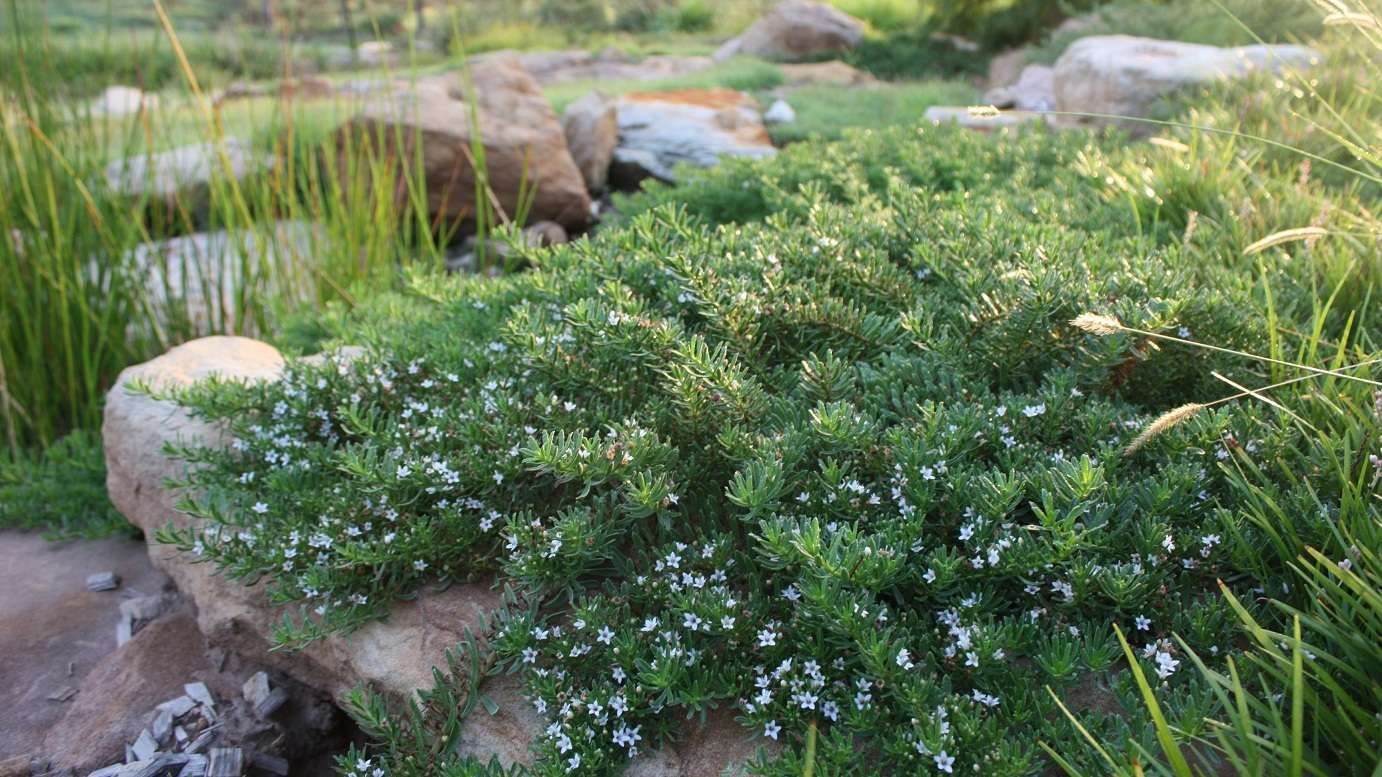
Myoporum Parvifolium Yareena Alpine Nurseries

Creeping Bobialla Myoporum Natural California Ground Cover For Landscapes

Myoporum Parvifolium Fine Leaf Creeping Boobialla Is An Evergreen Groundcover With Petite Foliage And Clusters Of Planting Herbs Evergreen Groundcover Leaves

Myoporum Parvifolium Youtube
Creeping Boobialla Myoporum Parvifolium Fine Leaf Form

My Oh My Oporum The Smarter Gardener
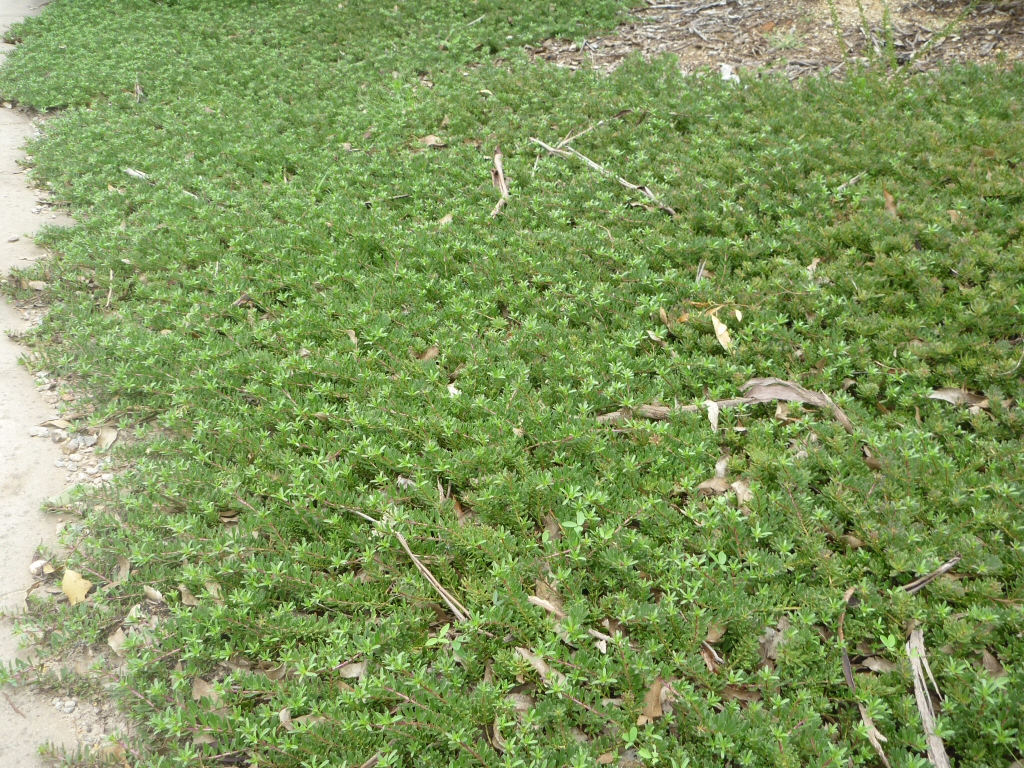
Myoporum Parvifolium Purpurea Boobialla Gardening With Angus

Prostrate Myoporum Horticulture Unlimited

Myoporum Parvifolium Broad Leaf

How To Grow Myoporum

Groundcovers Agriculture And Food
Myoporum Parvifolium Bluedale Plants Online Blog

Myoporum Parvifolium Pink Coarse Leaf

Myoporum Ground Cover Australian Native Garden Plants

Ground Cover Ground Cover Water Wise Plants Landscape Ground Cover